
What parents should know about how young children really learn
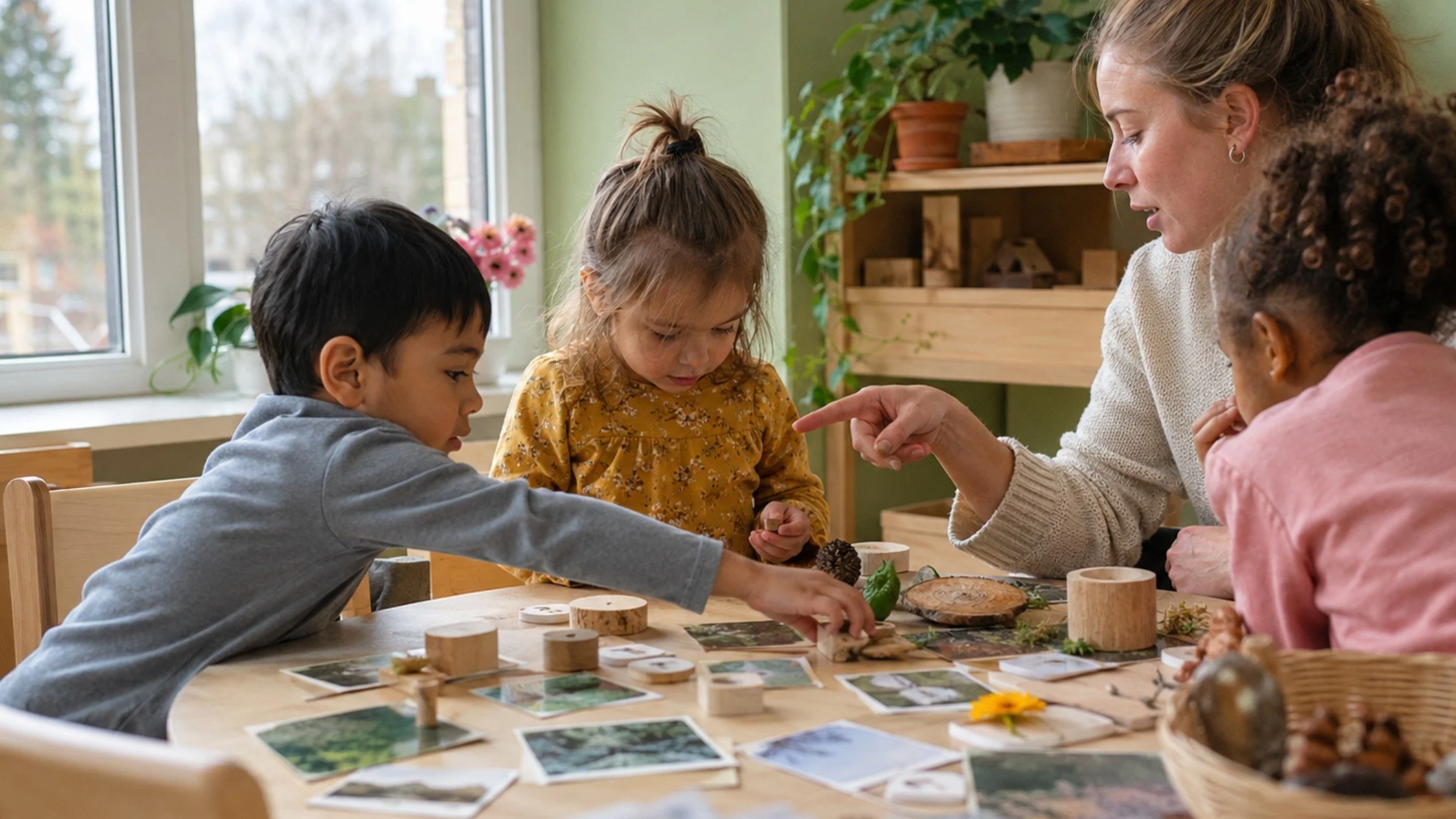
Not Every Play-Based Preschool Is the Same
Almost every early childhood program today says it offers “play-based learning.” But for parents, that can be confusing — because not all play-based learning is the same.
In some classrooms, play-based learning means children are simply left to play freely with toys and activities while adults supervise from the side. In others, children spend most of the day doing highly structured academic tasks that are occasionally disguised as “play.” Research increasingly suggests that neither extreme is ideal for young children.
The strongest evidence shows that children learn best through guided, intentional play: learning experiences where children remain active, curious, and emotionally engaged, while teachers thoughtfully guide learning through questions, conversation, materials, and meaningful interaction. In other words, good play-based learning is not “just play.” It is carefully designed learning that feels playful and meaningful to the child.
So how can parents tell the difference?
What Good Play-Based Learning Looks Like
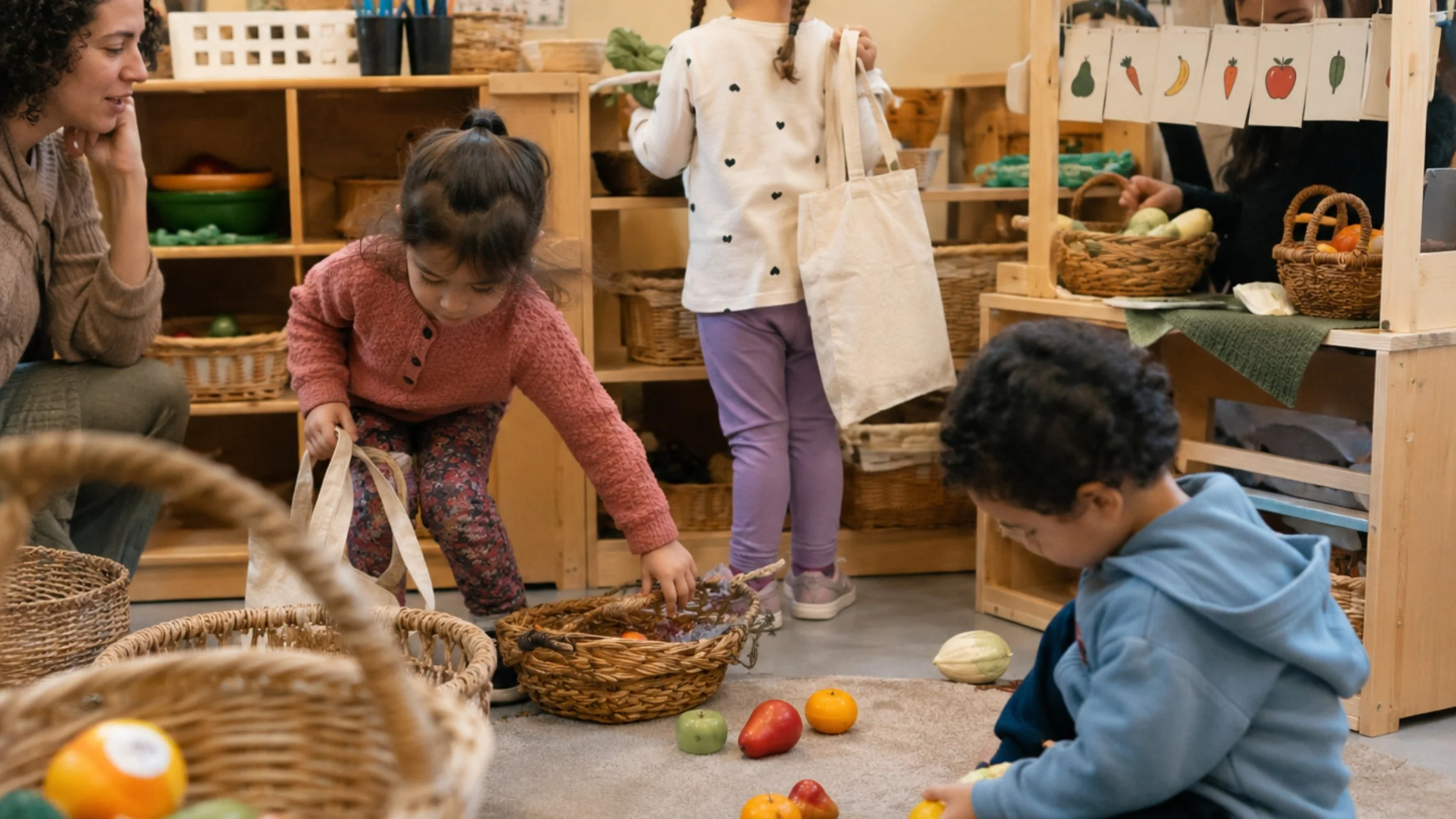
One of the clearest signs of high-quality play-based learning is that teachers can explain the learning happening beneath the activity.
For example, children building a pretend grocery store may look like they are “just playing.” But an experienced early childhood teacher sees much more happening:
language development through conversation and storytelling,
early math through counting and sorting,
executive function through taking turns and following rules,
and social-emotional learning through collaboration and negotiation.
The play is enjoyable for the child, but it is also intentionally connected to developmental goals.
In strong play-based environments, teachers are actively involved in children’s learning without controlling every moment. They observe children carefully, notice emerging interests, and extend learning through thoughtful questions and prompts:
“How many apples do we need?”
“What happens if the bridge is taller?”
“How can we solve this problem together?”
These interactions matter because young children learn best through active participation, conversation, exploration, and emotionally safe relationships.
Why Play Helps Children Learn
When children are genuinely curious and emotionally engaged, the brain becomes more attentive and receptive to learning. Research on curiosity shows that interest and motivation help strengthen memory systems and support deeper learning. Simply put: children remember more when learning feels meaningful to them.
Play also strengthens executive function — the mental skills children use to focus attention, control impulses, remember information, adapt to change, and solve problems. These are foundational skills not only for school readiness, but for lifelong learning and well-being.
During pretend play, games with rules, building activities, and collaborative projects, children constantly practice:
planning,
flexible thinking,
self-regulation,
communication,
and problem-solving.
This is one reason why high-quality early childhood education does not separate “play time” from “learning time.” For young children, play is one of the primary ways learning happens.
Signs of a High-Quality Play-Based Program
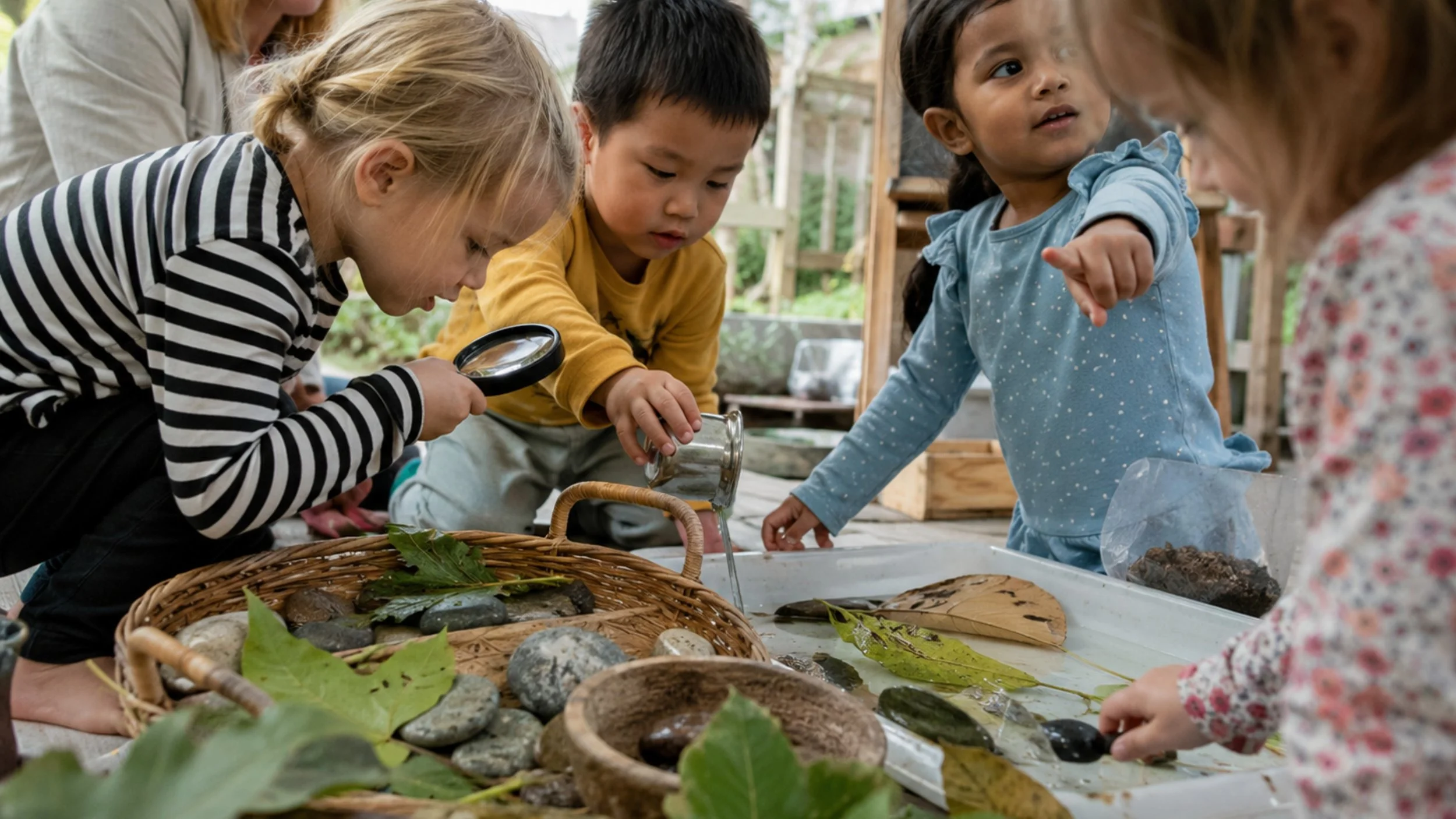
Parents visiting an early years setting can often look beyond marketing language and focus on what children and teachers are actually doing.
Strong play-based programs usually include:
children who are actively engaged and curious,
warm, responsive teacher-child interactions,
rich conversations rather than long periods of passive listening,
thoughtfully prepared environments,
opportunities for collaboration and problem-solving,
and activities connected to clear developmental goals.
Importantly, the classroom should feel emotionally safe and calm — not chaotic, but not overly rigid either. Children should have opportunities to make choices, explore ideas, ask questions, and participate actively in their learning.
At the same time, teachers should not simply “stand back.” High-quality play-based learning requires skilled educators who know when to guide, when to challenge, when to model, and when to let children lead.
The Lillipods Approach to Play-Based Learning
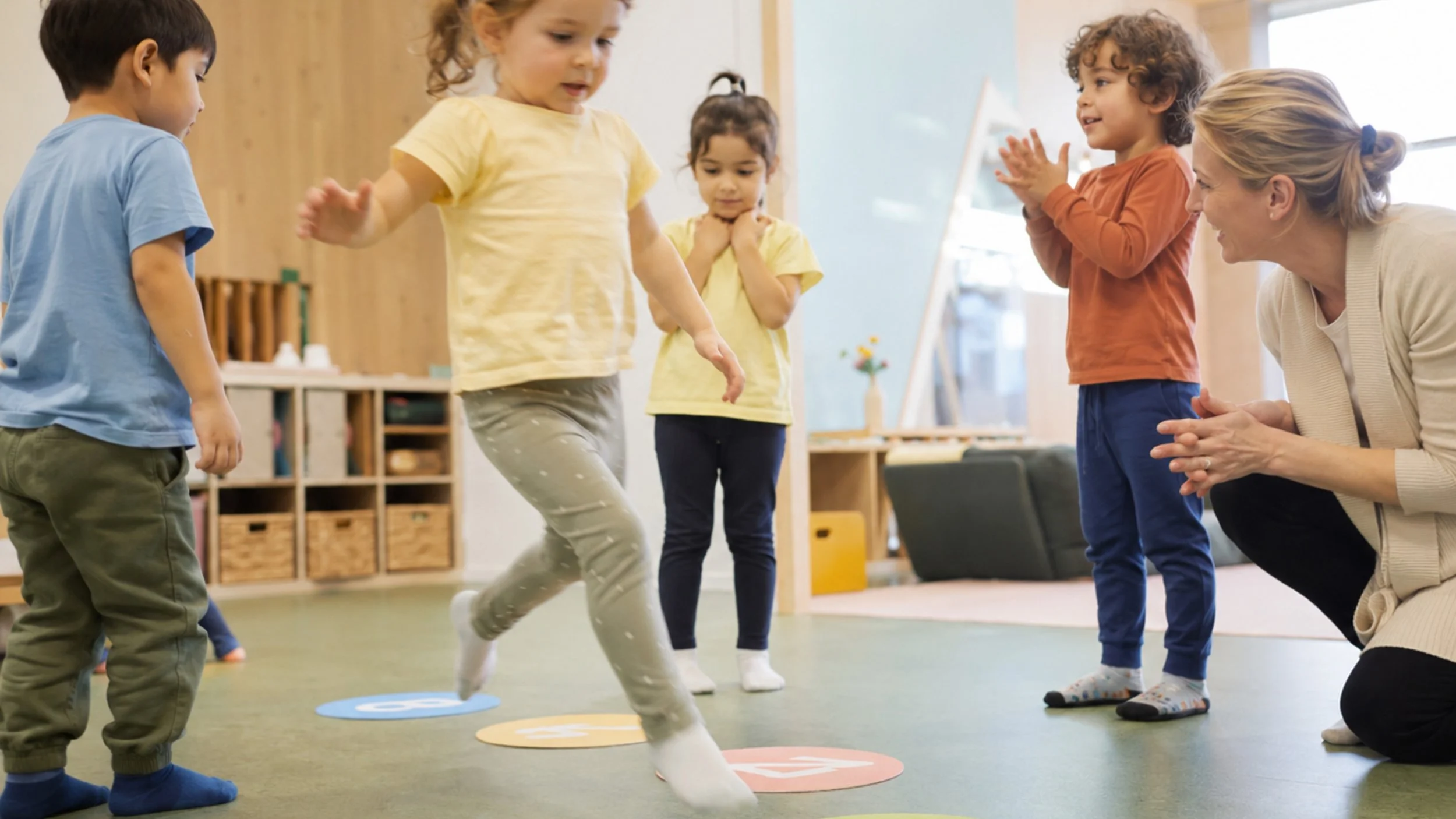
This understanding of guided, intentional play is central to the Lillipods curriculum and early years approach.
At Lillipods, play is not treated as a break from learning. Instead, it is viewed as the natural way young children investigate, communicate, imagine, build relationships, and make sense of the world around them.
The curriculum is designed around clear developmental goals while still respecting children’s curiosity, participation, and individual pace of learning. Teachers intentionally prepare learning environments, routines, and play experiences that support language development, learning of social skills, reasoning, motor skills, and early mathematical thinking.
A teacher may introduce new vocabulary during imaginative play, encourage prediction and reasoning during block building, or support emotional regulation during collaborative problem-solving.
This balance — between intentional teaching and active child participation — is what makes genuine play-based learning so powerful.
The Bottom Line
Good play-based learning is much more than colorful classrooms or free play with toys. It is a carefully designed educational approach grounded in child development, neuroscience, and responsive teaching.
When play-based learning is done well, children are not only learning early academic skills. They are also developing confidence, language, self-regulation, and the ability to learn independently.
The question for parents is therefore not simply:
“Does this school use play?”
A better question is:
“How do teachers intentionally use play to help children think, communicate, explore, and grow?”